

Water Heater Flush and Maintenance in Lehi, Utah
Hard water leaves sediment in every Lehi water heater. A regular flush and checkup clears it out, protects the tank, and helps you avoid a surprise failure.
Hard Water Is the Reason
Private estimates put Lehi water at about 15.8 to 16.9 grains per gallon, and the city report lists no hardness figure. Calcium and magnesium settle on the tank floor every heating cycle and harden into a layer of sediment.
That layer makes your heater work harder, wastes energy, and wears out the anode rod early. A flush and inspection catches problems while they are still small.
What We Do
- Flush sediment from the tank
- Inspect the anode rod
- Test the pressure relief valve
- Check the thermostat settings
- Look for leaks and corrosion
- Check gas or electrical connections
Benefits of Regular Service
- Quieter operation
- More hot water from the same tank
- Less strain on the heating parts
- Catches small problems early
- Helps the unit last longer
- Fewer emergency calls
Why Flushing Matters in Lehi
A tank collects scale and sediment over the years. Lehi private estimates put hardness near 15.8 to 16.9 grains per gallon, while the city report itself lists no hardness figure.
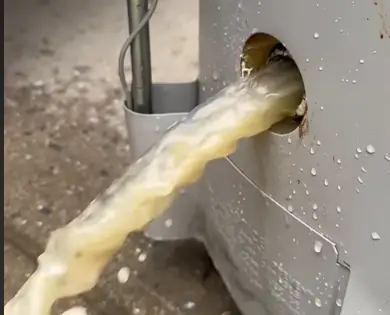
A flush clears loose sediment from the bottom of the tank. We also check the anode rod, the relief valve and the drain valve while we are there.
Flushing helps most when the tank is still sound. If it is rusty or leaking, we tell you plainly and talk about replacement.
Ask Us About Your Noise or Symptom
What a Flush and Check Covers
Shut off power or gas. We make the unit safe before any work starts.
Drain the tank. Sediment flows out with the water from the bottom valve.
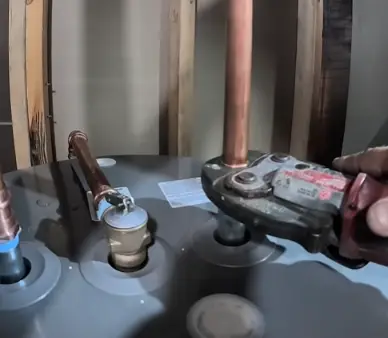
Check the anode rod. We look at how much of the rod is left.
Test the relief valve. It must open and reseat properly.
Restart and test. We refill, relight and confirm steady hot water.
Signs Your Water Heater Needs a Flush Now
A yearly flush costs far less than a new tank. If you see any of these, sediment is already doing damage.
Popping or Rumbling
Minerals have hardened at the bottom and trapped water is boiling under them.
Long Recovery Time
The tank takes longer to heat back up because sediment sits between the burner or element and the water.
Cloudy or Gritty Hot Water
Flakes of scale are breaking loose and coming out of the hot taps.
Rotten Egg Smell
Often a reaction at the anode rod. A fresh rod or a flush can clear it.
Scale on Faucets and Shower Heads
A visible sign of mineral rich water. If it is on your fixtures, it is likely in your tank.
Five Years and Never Flushed
Most Lehi tanks need yearly attention starting the first year.
How a Maintenance Visit Works
Call or Text Us
Tell us about your unit and its age. We book a time that suits you.
We Inspect the Unit
We check the tank, anode rod, valves, and connections.
We Flush the Tank
We clear out the sediment that hard water leaves behind.
We Report Back
We explain what we found and what to expect from your heater going forward.
Neighborhoods and Areas We Serve
We work throughout Lehi and the surrounding fast growing communities of northern Utah County.
What We Look At During a Visit
Water Heater Maintenance Questions
A common guideline is at least once a year, and hard water makes it even more important. We can suggest a schedule based on your unit.
It is almost always sediment. Water trapped beneath the mineral layer turns to steam and pushes through it. A flush often helps, though heavy buildup can mean the tank is near the end of its life.
It can improve performance, but it cannot reverse tank damage. We tell you honestly whether the unit is worth maintaining.
Yes. A softener removes calcium and magnesium before the water reaches your heater, which slows sediment buildup.
Pricing depends on the unit. Call us and we give you a firm price before we start.
Once a year. Lehi water is hard enough that skipping years lets scale harden into chunks that a normal flush cannot remove.
A softener slows scale on the heater and every fixture. One local estimate puts payback near eight years on a typical installed unit, so it is worth pricing, though it is a separate job from the heater.
If you host family in June, hot water use jumps. A flush and a quick check of the anode rod and PT valve in May avoids cold showers with a full house.
Book Your Water Heater Flush
Same day service across Lehi, Eagle Mountain, and Saratoga Springs. Upfront pricing, licensed technicians, and a straight answer every time.